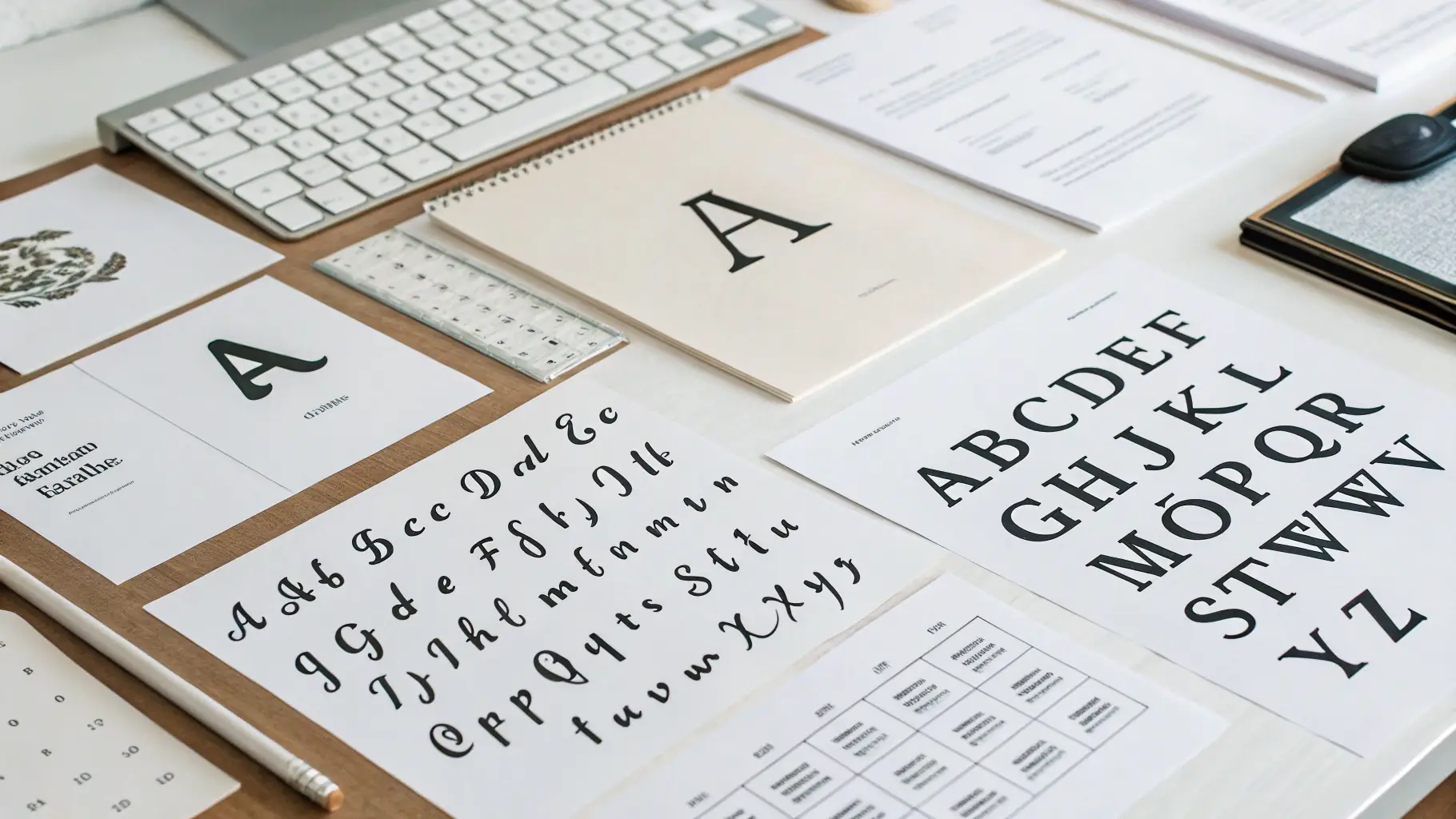
Minimalist design focuses on simplicity and functionality, stripping away unnecessary elements to create clean and intuitive user interfaces. It emphasizes the importance of white space, typography, and a limited color palette. This approach can improve usability, reduce cognitive load, and enhance the overall user experience. Consider how minimalist design can help users focus on the essential content and tasks.
In the digital age, minimalist design has become increasingly popular due to its ability to create fast-loading and responsive websites and applications. By reducing the number of visual elements, designers can optimize performance and ensure a seamless experience across different devices. This is particularly important for mobile users, who often have limited bandwidth and screen space. Remember that minimalist design is not about sacrificing aesthetics, but rather about prioritizing functionality and clarity.
Ultimately, minimalist design is a powerful tool for creating effective and engaging digital experiences. It allows designers to focus on the core message and functionality, while eliminating distractions and clutter. By embracing the principles of minimalism, designers can create websites and applications that are both visually appealing and highly usable. Explore the possibilities and discover how minimalist design can transform your digital projects.